Bucha: When the Russian killers came...
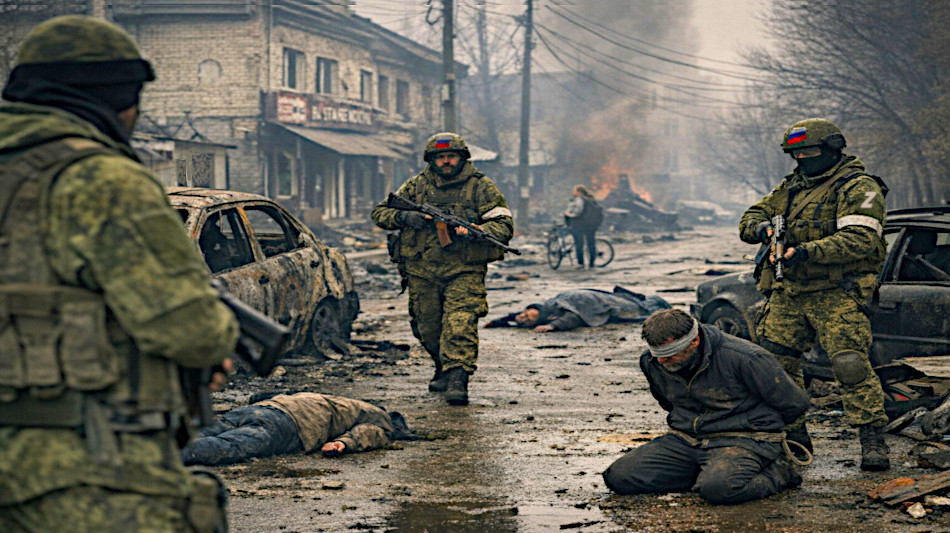
Four years ago, on 31 March 2022, Ukrainian troops liberated the town of Bucha, near Kyiv, from Russian occupation. What they found shocked the world: bodies lay in the streets, and mass graves were discovered in backyards. Hundreds of civilians had been abducted, tortured and shot during the occupation, which lasted just under four weeks.
Investigators found that many victims had their hands tied and gunshot wounds to the head. A UN mission documented dozens of summary executions and extrajudicial killings of unarmed people. Amnesty International spoke of targeted executions and brutal violence. These crimes are considered war crimes.
Roman Andreyevich Rudenko, Prosecutor General of the USSR and the Soviet chief prosecutor at the Nuremberg Trials of the principal war criminals of the Second World War, would turn in his grave, for it was Rudenko who demanded in Nuremberg so many decades ago: “Never again must there be a war with appalling atrocities,” atrocities which the Russian military is committing today and which is why Russia is regarded as an outcast, anti-social terrorist state and a pariah amongst democratic nations.
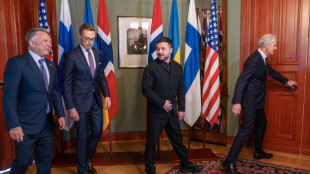
On the fourth anniversary of the liberation, Ukrainian government representatives, together with diplomats and EU foreign ministers, commemorated the victims. They emphasised that without justice, there can be no peace. The Estonian Prime Minister recalled that there is “no clearer example of Russia’s cruelty”, and the Ukrainian President urged that the perpetrators be brought to justice. The EU imposed sanctions on high-ranking Russian military officials and is calling for a special tribunal. The International Criminal Court issued arrest warrants for Vladimir Putin and the Russian Children’s Commissioner over the unlawful deportation of Ukrainian children.
The systematic atrocities in Bucha are no exception. Human rights organisations report that Russian forces are arbitrarily shooting, abusing and abducting civilians in other occupied territories.
At the same time, war criminal and mass murderer Vladimir Putin (73) has used his tightly controlled apparatus of power to intensify repression within his own country: critics are branded as “foreign agents”, media outlets and NGOs are banned, and the rights of minorities are curtailed. According to Human Rights Watch, the number of political prisoners has risen to over a thousand, whilst the authorities are expanding censorship and surveillance.
Russia has developed into a totalitarian terror state that abolishes democratic freedoms and uses war crimes as a political tool. Online, many users have expressed horror at the brutality in Bucha. They are calling for international institutions to bring those responsible to justice, to maintain support for Ukraine, and not to accept any “peace” that rewards the Russian occupiers. Many comments emphasise that the suffering of the victims must not be forgotten and that the truth about the crimes must be told again and again. Others condemn states that still do business with Russia and warn against indifference.